Executive Technical Summary:
HCOLOR delivers certified low-VOC water-based and UV printing inks engineered for high-speed gravure and flexo converting across packaging and decorative applications.
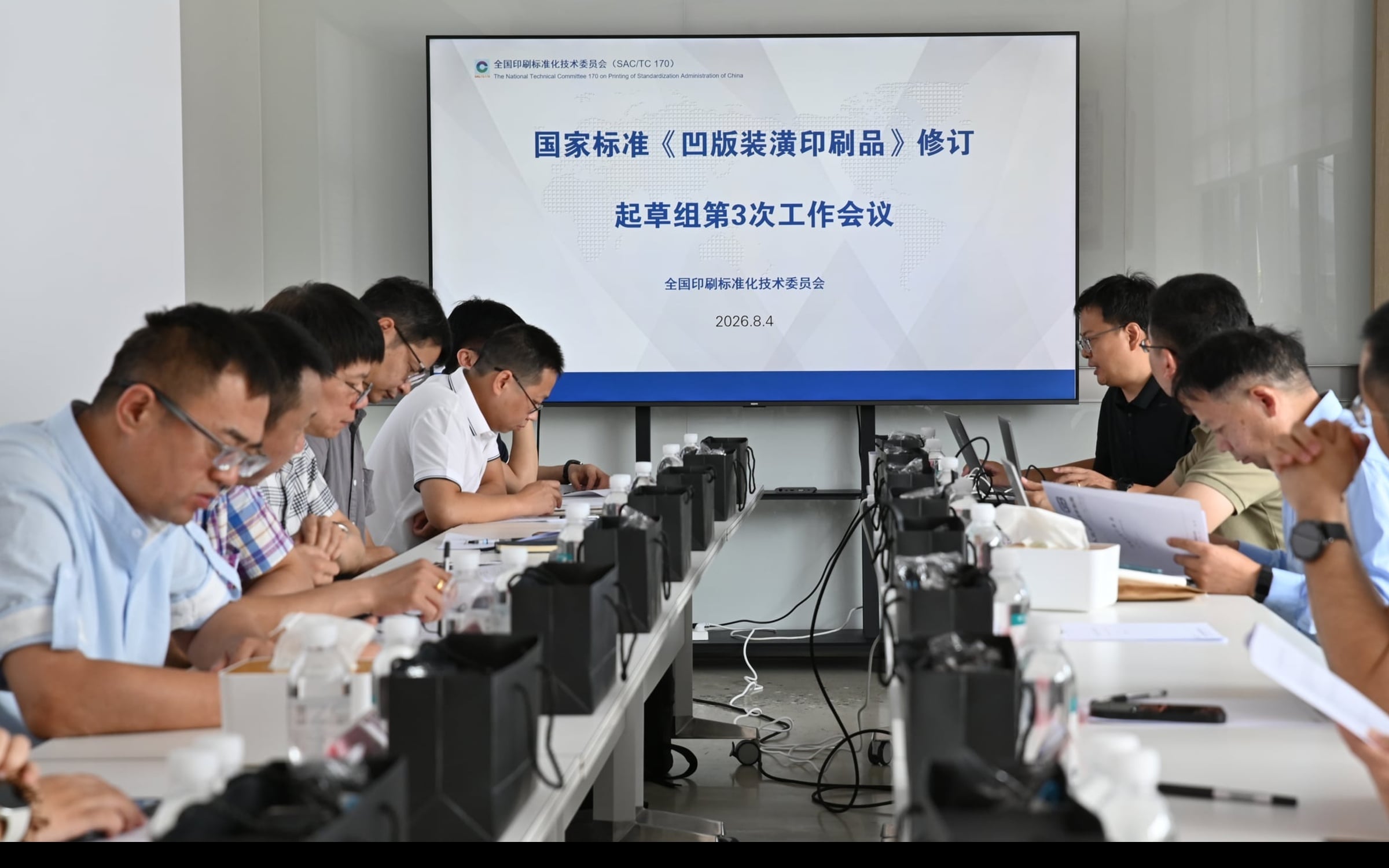
On August 4, 2026, the Third Working Group Meeting for the Revision of the National Standard for 'Gravure Decorative Prints', led by the National Technical Committee for Printing Standardization and hosted by Dongguan HCOLOR Ink Technology Co., Ltd. (hereinafter referred to as "HCOLOR"), was successfully held at the HCOLOR Dongguan Headquarters.
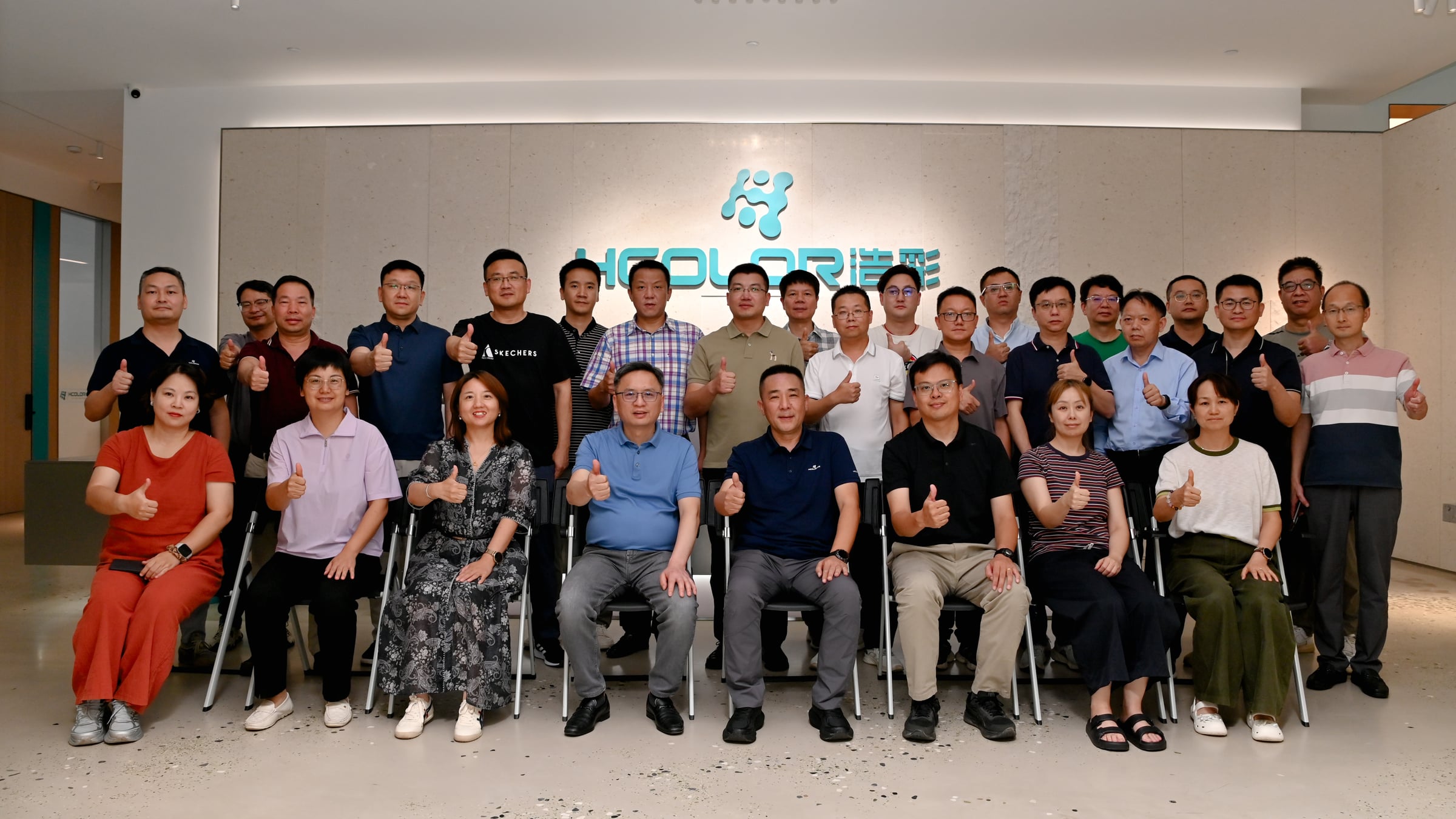
Over 30 backbone enterprises and top experts from the industry — including representatives from the National Technical Committee for Printing Standardization, national-level quality inspection and research institutes, leading printing machinery manufacturers, as well as Shanghai Tobacco Printing, Yinzhi (Qingdao) Packaging, Shaanxi Tobacco Printing, Honghe Xiongfeng, Kunming Color Printing, Dali Meideng, Chongqing Hongsheng, Yanbian Changbaishan, Wuhan Ait, Shanghai Zijiang Color Printing, and Zhejiang Aidi'er — gathered at HCOLOR. The drafting group conducted in-depth discussions on technical parameters, quality indicators, testing methods, and green environmental requirements of the national standard revision draft, jointly promoting the standardization and high-quality development of China's gravure decorative printing industry toward a new stage.
I. Pooling Industry Wisdom to Solidify the National Standard Development Process
The meeting was chaired by Zhang Jie from the National Technical Committee for Printing Standardization. At the outset, the project lead drafting group systematically reported the standard development progress and feedback results since the second drafting working group meeting, ensuring that all members fully grasped the current compilation status. Subsequently, strictly adhering to the national standard writing specifications (GB/T 1. 1) and closely aligning with the actual production demands and technological upgrading trends of the gravure printing industry, the expert group conducted rigorous reviews and thorough discussions on the standard draft chapter by chapter and clause by clause.
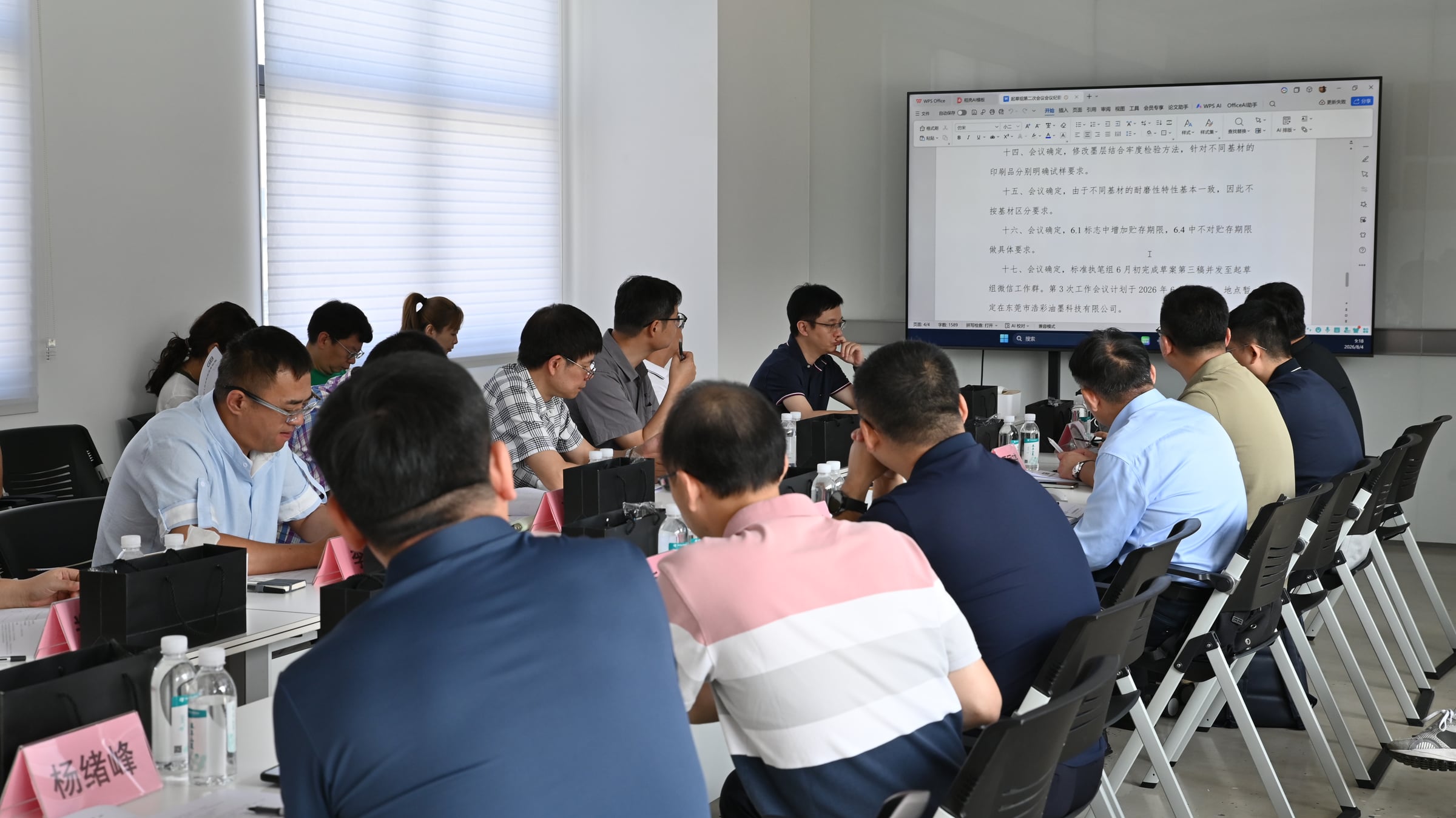
Through in-depth discussions and pragmatic argumentation by all representatives of the drafting group, the meeting reached multiple key technical consensus points and achieved solid results:
- Precise Definition of Core Terms and Definitions:
The meeting officially reviewed Chapter 3 "Terms and Definitions", scientifically and standardizing defining "double-sided printing" as "the printing of corresponding graphic and text information on both the front and reverse sides of the same substrate", while simultaneously establishing test methods for double-sided printing registration errors, providing a clear and unified judgment criterion for multi-process multi-sided printing quality in the industry. - Scientific Optimization of Appearance Quality and Registration Indicators:
The meeting determined the double-sided printing indicators for four representative substrates, specifying the index values for primary and secondary parts of metal foil and other metal-based materials; regarding die-cutting registration tolerance, the distance requirement between die-cutting and creasing lines was canceled, and die-cutting registration tolerances were precisely optimized for two types of substrate materials, enhancing the industry applicability and executability of the standard. - Comprehensive Regulation of Physical and Chemical Performance Requirements for Ink Layers:
Regarding printing color difference, the nomenclature descriptions for various substrate materials were standardized; on ink layer gloss, it was specified that paper-based materials directly reference QB/T 3007-2008 index requirements, while metal-based indices will be supplemented after post-meeting test data; targeting ink layer bonding fastness, the meeting decided to break substrate boundaries and implement a unified, universally applicable comprehensive index; meanwhile, for die-cutting crease stiffness, referencing the GB/T 45456 standard, a reasonable ratio range of longitudinal to transverse crease stiffness was clearly provided. - Consolidating the Green Safety Baseline and Clarifying Schedule Milestones:
The meeting scientifically optimized the original "green indicators" proposal into more rigorous and standardized "specific substance limits" and clarified unified testing methods; regarding experimental environmental conditions, the baseline temperature and humidity were strictly calibrated to a temperature of (23±2)°C and humidity of (50±5)%.
The drafting group clarified that the drafting team will subsequently produce unified data reporting verification tables, planning to complete the compilation and release of the "Draft for Comment" in mid-August, with the National Technical Committee for Printing Standardization officially launching public solicitation of opinions nationwide in early September.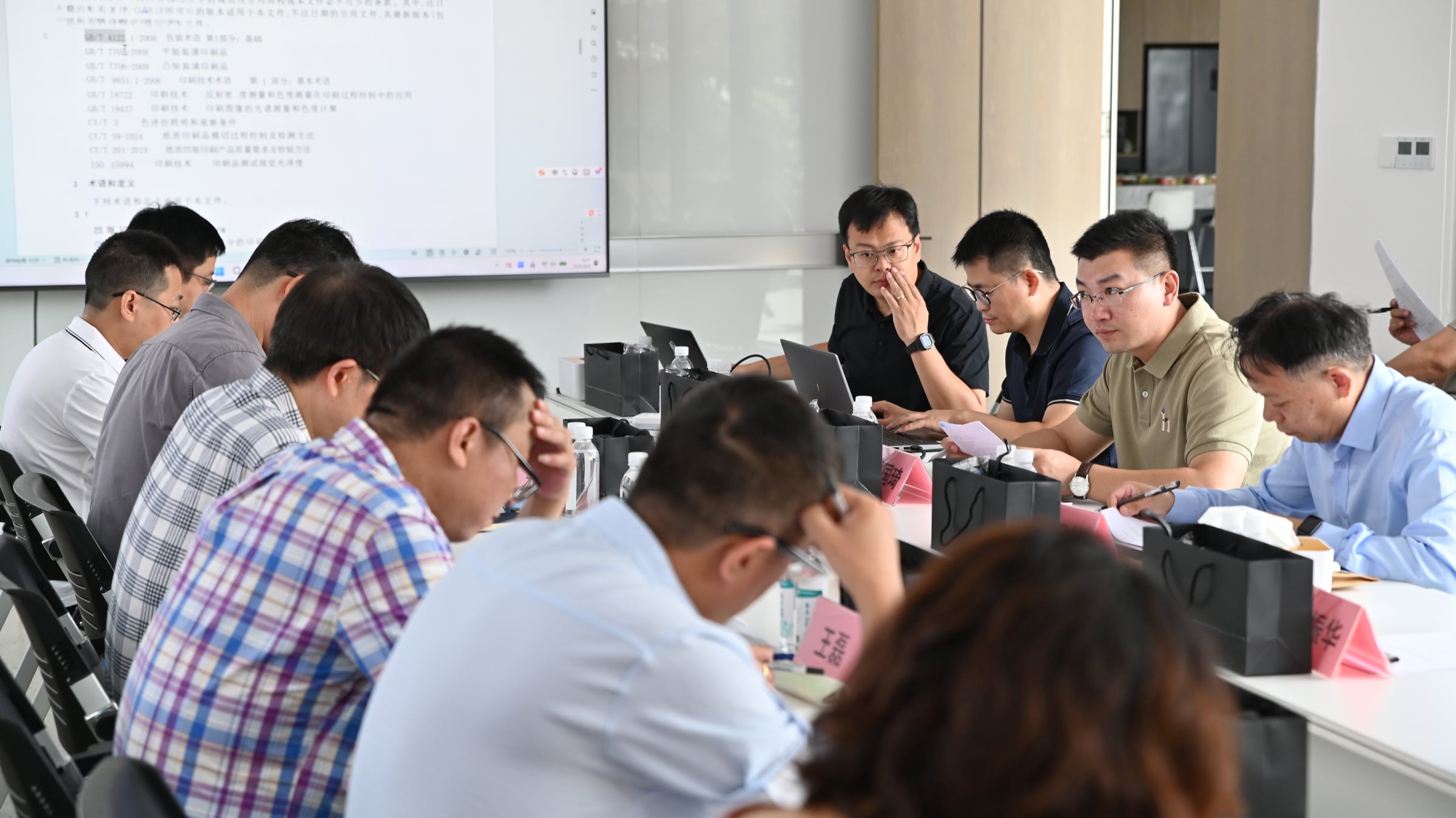
National standardization leaders, HCOLOR technical experts, and industry backbones discuss key technical indicators. II. Demonstrating "Little Giant" Responsibility and Leading Industry Technology
As a National "Little Giant" enterprise, a Guangdong Provincial Manufacturing Single Champion enterprise, and a recipient of the China Printing Industry 40th Anniversary "Printing Industry Contribution Award", HCOLOR was honored to serve as the host, providing a high-standard technical exchange platform for this national standard revision working group meeting and deeply participating in the argumentation and formulation of the standard's core clauses.
Since its establishment in 2011, HCOLOR has consistently pursued a high-quality development path of "independent research and development, green innovation, and specialized excellence". Supported by its three modern regional manufacturing hubs in Dongguan Headquarters (Guangdong), Kunming (Yunnan), and Yueyang (Hunan) — possessing a comprehensive annual manufacturing capacity exceeding 30, 000 metric tons of advanced eco-friendly inks — the company has long cultivated the fields of aqueous rotogravure inks, UV surface-effect tactile coatings, and low-VOC solvent-based inks.
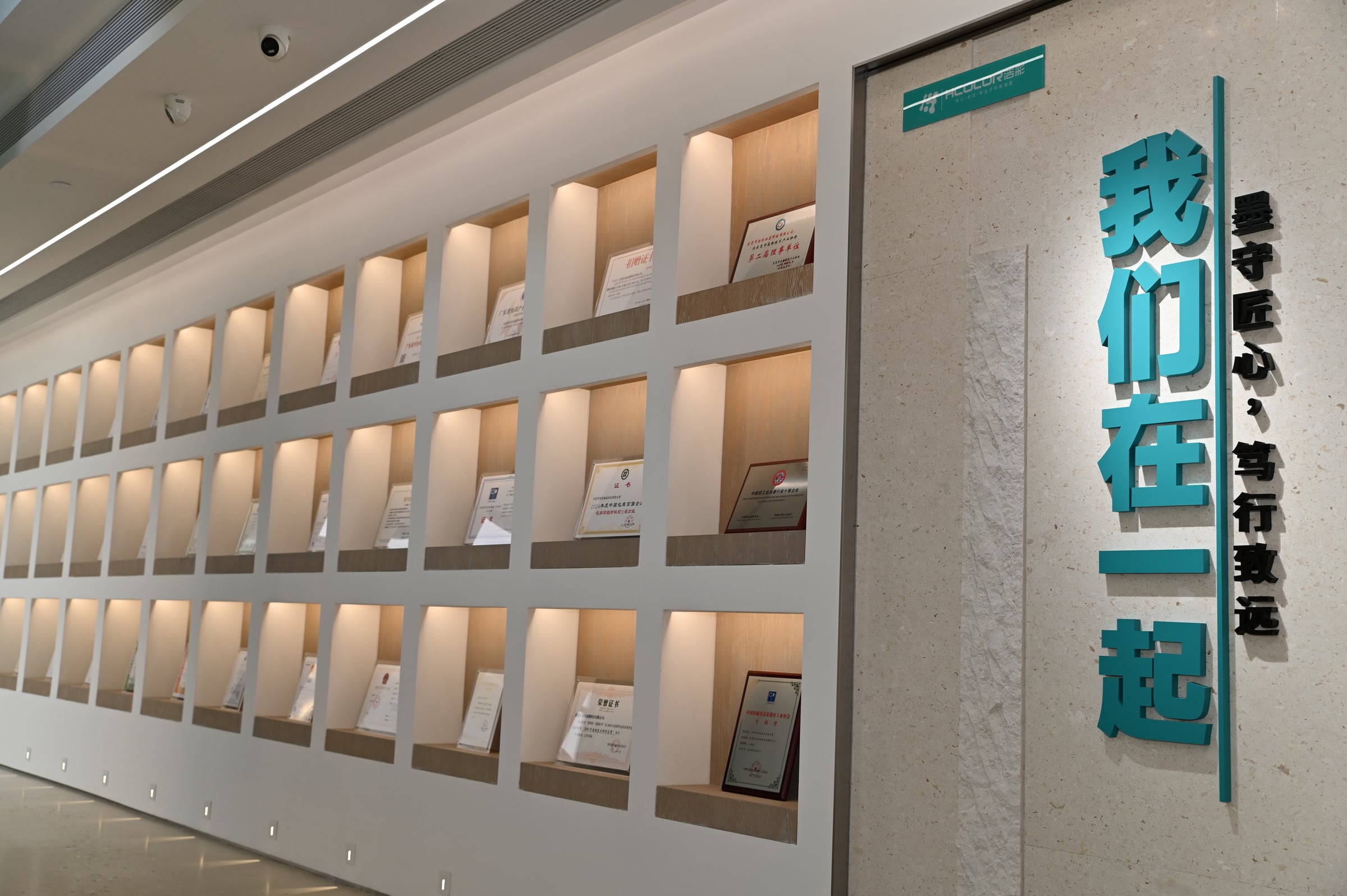
HCOLOR Certificate & Honors Wall During this national standard drafting and discussion, HCOLOR fully leveraged its technical accumulation and data support capabilities in aqueous gravure printing applications. Combining its rich experience in furniture decorative printing (such as edge banding and surface laminating), the company put forward multiple forward-looking and actionable professional suggestions regarding core indicators such as ink layer gloss, adhesion fastness, registration adaptability, and specific hazardous substance limits, providing solid support for the scientific rigor and advancement of the new standard.
III. Upholding Environmental Commitment to Chart a Green, Low-Carbon Blueprint for Gravure Decoration
National standards serve as the ballast stone for driving technological innovation, regulating market order, and guiding high-quality industrial development. With the deep advancement of the national "Dual Carbon" strategy and the comprehensive upgrade of green manufacturing requirements, the transition of gravure decorative prints toward "green, low-carbon, low-solvent, aqueous, and high-precision" has become an irresistible industry trend.
"Dedicated, Focused, and Professional in Eco-friendly Inks" is the development conviction that HCOLOR has upheld for over a decade. Looking forward, HCOLOR will take this national standard revision as an opportunity to continuously adhere to the corporate vision of "sound management, flawless products, customer trust, and employee happiness", actively fulfilling its green development responsibilities:
- Standard-Led Development: Fully cooperate with the National Technical Committee for Printing Standardization and the drafting group team to assist in subsequent technical validation and data collection, ensuring the early, high-quality publication and implementation of the revised national standard;
- Quality-Driven Foundation: Continuously increase R& D investment in green aqueous gravure materials and specialized eco-friendly inks, overcome critical technological barriers, and empower packaging and printing clients to achieve "emission reduction, carbon lowering, quality enhancement, and efficiency gains";
- Collaborative Win-Win: Work closely with leading enterprises across the upstream and downstream industrial chain to jointly build a green standard foundation, contributing HCOLOR's wisdom and strength to building a "Beautiful China" and promoting the green, sustainable development of China's packaging and printing industry!